

A PLACE LIKE NO OTHER, FOUND NOWHERE ELSE ON EARTH
The history of this place is carved from cedar and stone, salt and sea air.
Take a journey back in time, to a remote island located deep in the heart of the Great Bear Rainforest. Here, there were no paved roads, there were no permanent structures, there was only the immovable majesty of the towering cedars within the mist cloaked forests, the soft and damp earth of soil, sand, and moss covering the solid foundation of stone. Soul and body nourishment came from all around, the salmon in the waters, the berries on the bushes, the needles on the trees, the mushrooms in the ground, the very air was restorative. Every direction there was contradiction. The softness of the sand and water, the brutal force of the wind and tides. The trees reaching to the sky, rooted in moss and stone. The damp cedar boughs dripping with salty sea air, the warmth of a crackling wood fire. The aroma of dry wood burning, smoking the salmon and its oils, creating a chemical concoction made to elicit instinctual reactions. Somewhere deep in your spine and soul there is a memory awakening, of a time and a place, where this was all one needed to be well.
Now, return to a deeper understanding of self and place, return to ancestral knowledge, experience a deeper current.


History of Shearwater
The Haíɫzaqv have lived on the central coast since time immemorial, with their traditional territory spanning more than 35,000 square kilometres of inlets, islands, rivers, and mountains. Prior to contact with Europeans, Haíɫzaqv people lived in more than 50 village sites, including on Campbell and Denny Islands, and families would manage traplines, harvest and process salmon, and trade goods with other villages.
Colonization interrupted their way of life, bringing new diseases and cultural and economic pressures. In the winter of 1862-3, a smallpox outbreak devastated the Haíɫzaqv population, wiping out entire villages. As a result, survivors came together at Wáglísla, a site on Campbell Island, in the centre of Haíɫzaqv territory and a short distance from the Hudson’s Bay Company trading post at McLoughlin Bay. (Today, Wáglísla, which means “river on the beach”, is also called Bella Bella, and is the main reserve community for the Haíɫzaqv.)
Just five kilometres across the water, another community in Haíɫzaqv territory, Denny Island supported family villages for millennia.

Photo by T.S. “Sam” Johnson [about 1915]; courtesy of Icelandic Archives of B.C.

The Bella Bella Cannery complex on Denny Island in the 1920s. Image D-06012 courtesy of the Royal BC Museum and Archives
In the 1920s and 1930s, Denny Island was home to two canneries that processed clams, abalone, and salmon, she says. “People came from community and other places all over to work in the two canneries” and a small town with a store and post office grew to support workers. The business model shifted over time, as cannery operations consolidated in other production centres. By 1938, the Denny Island cannery buildings were dismantled and moved to the Pacofi Cannery complex on Moresby Island in Haida Gwaii.
Shortly after, the Canadian government used the land to construct an airstrip on Klik-Tso-Atli Harbour, a strategic location on Canada’s Pacific coast, which became known as Shearwater. During the Second World War, the airstrip grew into a full-sized Royal Canadian Air Force station, with aircraft hangars, a hospital, administration buildings, and accommodation for up to 1,000 people, including Haíɫzaqv members who served in the war. Near the end of the war, the air force closed the station, moving troops and aircraft to the Comox base.
Post-war, Andrew Widsten, a former RCAF officer from a Norwegian family, purchased the Shearwater property from the Canadian government and developed a marine service business and resort. Through the 1960s onwards, the Widsten family grew the business, adding a restaurant, conference centre, laundromat, sport fishing tours, and other services to attract visitors from Europe and North America. For tourists, Shearwater became known as a fly-in destination for sport fishing and a place for boat travellers to rest and refuel on their journeys up and down the central coast.
The Widsten Era
During the time the Widsten family owned and operated Shearwater Resort it was a thriving marine hub and sportfishing destination. For over two decades the docks successfully ran fully guided and self guided fishing charters, all inclusive fishing trip packages, and serviced the transient moorage guests with the variety of on site retail and service amenities. The resort, which had been designed to attract and cater to wealthy tourists, was also an important place for locals, providing restaurant meals and marina services for people from Denny Island and Wáglísla Bella Bella.
When Craig Widsten, son of the original owner, began planning his retirement, the Heiltsuk Tribal Council saw an opportunity to chart a new path, bringing the two communities closer together and offering visitors a taste of Haíɫzaqv hospitality.


K̓áwáziɫ Marilyn Slett, Chief Councillor of the Heiltsuk Tribal Council, during the ribbon cutting ceremony at Shearwater Resort. (Photo: Heiltsuk Tribal Council)
Haíɫcístut: Making it Right Again
Haíɫcístut is a Haíɫzaqvḷa potlatch term that means to “turn things around and make things right again.”
In 2019, the Heiltsuk Tribal Council and the Government of Canada signed the Haíɫcístut Incremental House Post Agreement, which included a $42.72-million investment in four house posts, or community priorities: self-government; housing and infrastructure; economic development; and language revitalization and preservation.
Also in 2019, when Craig Widsten was getting ready to sell Shearwater, the Haíɫzaqv had money set aside and were beginning negotiations on a reconciliation agreement with the Province of British Columbia, which would invest another $22.33 million in the community’s priorities, including the Shearwater purchase.
After several rounds of negotiations, the Heiltsuk Tribal Council reached an agreement to purchase the Shearwater Resort and Marina, including 63 acres of land and associated businesses, for $12.7 million.
The purchase agreement was signed on June 30, 2021 and, on the following day, the Tribal Council celebrated “Heiltsuk Day” with a ribbon-cutting, cultural ceremonies and dances, speeches from hereditary and elected leaders, and a flag-raising ceremony at the resort.
Shearwater through a Heiltsuk Lens
“It’s an opportunity for us to tell our own story about who we are to people who are travelling through our territory,” says Yáláƛí Megan Humchitt, Chairperson of Shearwater Resort. Humchitt, who grew up in Wáglísla Bella Bella, is the daughter of Haíɫzaqv Yím̓ás (Hereditary Chief) Wigvilhba Wakas Harvey Humchitt Senior and shares her knowledge as a guide for visitors to Haíɫzaqv territory.
“We want to have visitors come to see us, be curious, have open minds, and talk to us about who we are as Haíɫzaqv,” says Humchitt. “This place offers a connection that’s rooted in Haíɫzaqv [people and culture], and in the lands, waters, and animals in this territory. The foundation comes from all of the leaders and all of the ancestors and all of the people that came before us,” says Humchitt. “It’s part of who we are, as Haíɫzaqv, to work together and to work really hard to move forward and to create for our community, but also to collaborate with others in our community for the best interests of our territory and our people.”

Our Team
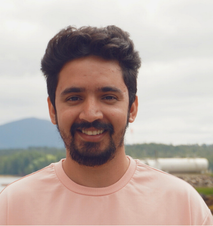
Skand Sahdev
Marina Manager
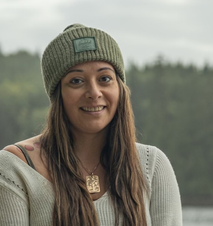
Megan Humchitt
Sales
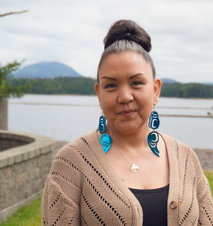
Laverne Brown
Hotel Manager
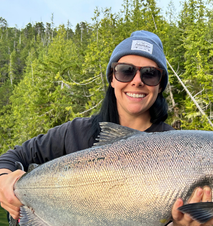
Mackenzie Moore
Marketing
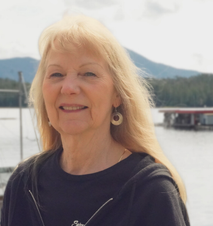
Sharon Gerry
Director of Retail
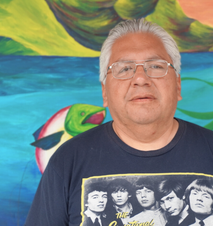
Chris White
Seabus Manager
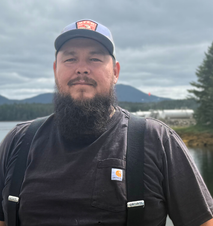
Mike Brown
Shipyard Manager
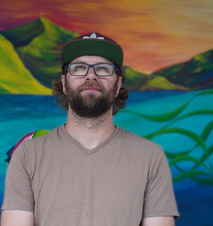
Gavin Teagle
IT/Maintenance
Our emails and phone lines are always open – please reach out to us if you need any help or have any questions. We would love to speak with you.
Contact Us